



Pump Stations
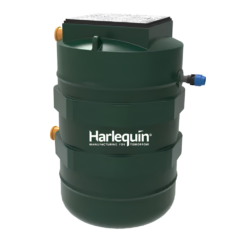
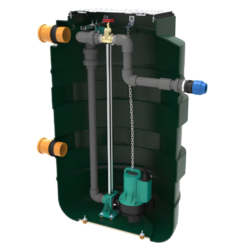
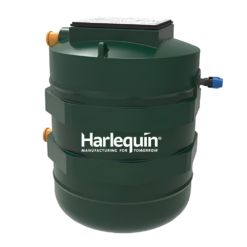
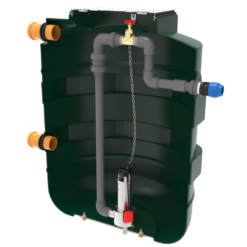
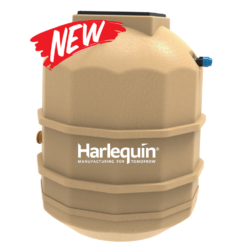
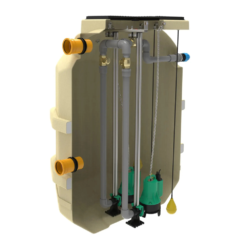
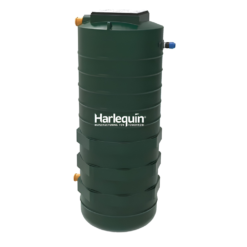
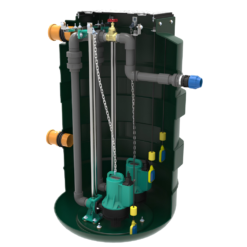
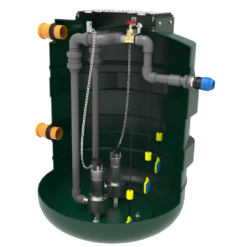
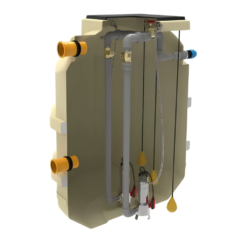
Our range of wastewater pump stations provides a practical solution for moving sewage, foul water and wastewater where gravity drainage isn’t possible. Installed underground, a pump station collects wastewater before automatically pumping it to a higher-level sewer, treatment plant or other suitable discharge point.
At Online Tank Store, we supply packaged pump stations for domestic, agricultural and commercial applications, from individual properties and extensions through to larger developments and commercial sites. Systems are available in a range of tank capacities, pump configurations and pumping capabilities to suit different applications and site requirements.
Choosing the correct pump station isn’t simply about tank size. The required flow rate, pumping distance, vertical lift (head), incoming invert level and type of wastewater all need to be considered when specifying a system. If you’re unsure which pump station your project requires, speak to our team with your site details and we’ll help identify a suitable system.
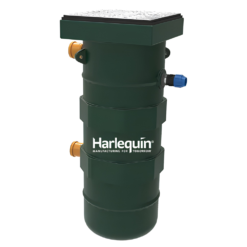
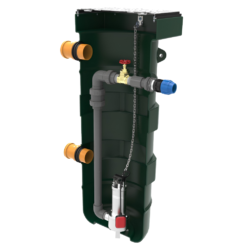
Pump Stations
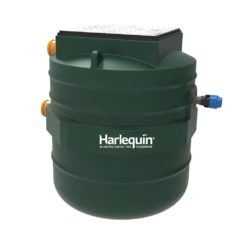
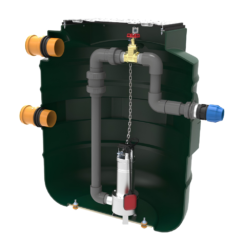
Pump Stations
Pump Stations
Pump Stations
Pump Stations
Pump Stations
Pump Stations
Pump Stations
Pump Stations
Pump Stations
Pump Stations
Pump Stations
Pump Stations
Pump Stations
Pump Stations
Pump Stations
Pump Stations
When would I need a sewage pump station?
A sewage pump station is typically required when a property or drainage point sits below the level of the main sewer or intended discharge point. It may also be needed where wastewater has to travel across a site and there is insufficient fall for a conventional gravity drainage system.
Typical applications include homes, extensions, basement bathrooms, rural properties, commercial buildings, holiday accommodation and developments located some distance from the main sewer.
How do I know what size pump station I need?
Choosing the correct pump station involves more than simply selecting a tank capacity. The amount of wastewater being produced, horizontal pumping distance, vertical lift (head), incoming pipe depth and required flow rate can all affect which system is suitable.
If you're unsure, provide as much information about your project as possible before ordering so that the requirements can be checked and a suitable system identified.
What information is needed to specify a pump station?
Ideally, you should know:
- What is being pumped – sewage, foul water or other wastewater
- Number of people or properties being served
- Incoming pipe diameter
- Incoming invert depth
- Approximate horizontal pumping distance
- Approximate vertical lift
- Intended discharge point
For more complex installations, additional site information may be required before the correct pump and chamber combination can be specified.
What's the difference between a single and twin pump station?
A single pump station contains one pump and is commonly used for smaller domestic and lower-demand applications.
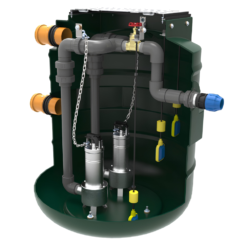
A twin pump station contains two pumps, providing additional capacity and redundancy. Depending on the system, the pumps may alternate during normal operation to share the workload, while the second pump can provide additional capacity or backup if required.
Twin pump systems are often considered for larger, commercial or more critical installations.
Can a sewage pump station handle solids?
A sewage pump station uses a pump designed to handle foul wastewater and the solids normally associated with domestic sewage. However, not every wastewater pump is suitable for handling solids.
The type of wastewater being pumped should therefore always be considered when selecting a system rather than choosing solely by chamber capacity.
Where can a pump station discharge to?
A pump station moves wastewater rather than treating it. Depending on the drainage design, it may pump to a mains sewer, septic tank, sewage treatment plant or another suitable discharge point.
The appropriate destination will depend on the individual site and drainage requirements.
Does a wastewater pump station require electricity?
Yes. The pumps require an electrical supply to operate. Depending on the system, control panels and high-level alarms may also be fitted.
Electrical connections should be installed by a suitably qualified person and in accordance with the manufacturer's installation requirements.
What happens if a pump station fails or becomes full?
During normal operation, the pump activates automatically as wastewater reaches its operating level. If the pump fails, there is a power interruption or the discharge becomes blocked, the level inside the chamber can continue to rise.
A high-level alarm can provide an early warning of a problem, allowing action to be taken before the chamber reaches capacity.
Do wastewater pump stations require maintenance?
Yes. A pump station should be periodically inspected and maintained to ensure the pumps, floats, pipework and controls continue to operate correctly.
Maintenance requirements depend on the system and its level of use, but regular servicing can help identify wear, blockages and other potential problems before they result in a system failure.
Can a pump station be installed beneath a driveway?
Some underground pump stations can be installed in areas subject to vehicle traffic when the correct installation method and appropriately load-rated access cover are used.
The chamber itself should not automatically be assumed to withstand vehicle loading. If the proposed installation is beneath a driveway or trafficked area, the requirements should be checked before ordering.
Can you help me choose the right pump station?
Yes. Pump stations can be quite technical to specify, particularly where wastewater needs to be pumped over a significant distance or elevation.
Provide the type of wastewater, number of users, incoming invert depth, horizontal pumping distance and vertical lift where possible. These details can then be used to help identify a suitable pump station for the application.