


Septic Tanks

Septic Tanks
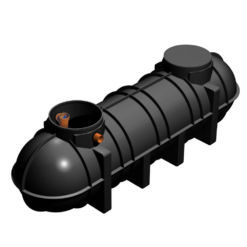
Septic Tanks
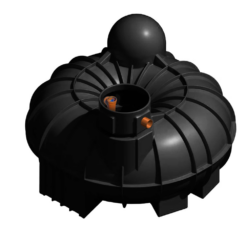
Septic Tanks
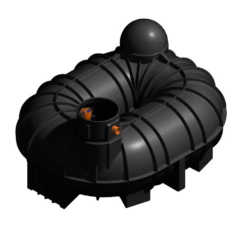
Septic Tanks
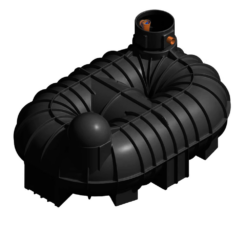
Septic Tanks
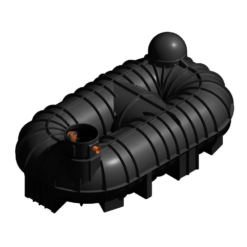
Septic Tanks
If your property is not connected to the mains sewer network, a septic tank provides a dependable and cost-effective solution for treating household wastewater. Whether you're building a new home, replacing an ageing system or upgrading an existing installation, choosing the right septic tank is essential for reliable long-term performance and compliance with current UK regulations.
Answers to the questions we get asked most. Can't see yours? Give us a ring on 01308 479960, we're always happy to help.
Wastewater from your property flows into the septic tank, where heavier solids settle to the bottom while oils and grease float to the surface. Naturally occurring bacteria begin breaking down the waste inside the tank before the partially treated water exits into a drainage field or soakaway for further filtration.
The correct septic tank size depends on factors such as the number of bedrooms, expected occupancy and daily wastewater usage. Choosing the right capacity is essential for efficient operation and compliance with current regulations. If you're unsure, our team can help you select the most suitable tank for your property.
Most domestic septic tanks should be emptied every 12 months, although larger households or higher usage may require more frequent emptying. Regular maintenance helps prevent blockages, unpleasant odours and reduced system performance.
A high-quality polyethylene septic tank can provide decades of reliable service when correctly installed and maintained. Regular inspections and scheduled emptying help maximise its lifespan and ensure efficient operation.
Polyethylene septic tanks are lightweight, corrosion-resistant and manufactured as a single seamless unit. They are easier to transport and install than traditional concrete tanks while providing excellent durability and long-term performance underground.
Installation should always follow the manufacturer's instructions and any applicable Building Regulations. Excavation, backfilling and drainage field installation all play an important role in the long-term performance of the system. Many customers choose to use an experienced groundworks contractor to ensure the installation is completed correctly.
No. A traditional septic tank operates using gravity and naturally occurring bacteria, so it does not require an electrical supply. If your property requires pumped drainage or a sewage treatment plant, electricity may be needed depending on the system.
Only wastewater, toilet paper and normal household waste should enter a septic tank. Wet wipes, sanitary products, nappies, fats, oils, grease, chemicals and excessive cleaning products can disrupt the natural treatment process and increase the risk of blockages.
A septic tank provides primary treatment by separating solids from wastewater before discharging to a drainage field. A sewage treatment plant uses additional biological treatment to produce a much cleaner effluent, which can often be discharged directly to a watercourse where permitted. The most suitable system depends on your site conditions and local regulations.
A correctly installed and well-maintained septic tank should not produce strong odours. Unpleasant smells are often a sign that the tank requires emptying or that there is an issue with ventilation or the drainage system.
At Online Tank Store, we supply a carefully selected range of underground septic tanks for domestic, agricultural and commercial applications. Manufactured in the UK from durable, corrosion-resistant polyethylene, our tanks are built to provide decades of dependable service while being significantly lighter and easier to install than traditional concrete alternatives.
Our range includes septic tanks in a variety of capacities, making it easy to find the right solution for individual homes, holiday cottages, farms, smallholdings and commercial premises. Every tank has been selected for its strength, durability and ease of installation, giving you confidence that your wastewater system is built to last.
As specialists in underground water and wastewater storage solutions, we understand that every property has different requirements. That's why our experienced team is on hand to help you choose the most suitable septic tank for your project, whether you're installing a new off-mains drainage system or replacing an existing unit.
Browse our range below or continue reading to learn how septic tanks work, how to choose the correct size, and what to consider before installation.
Septic Tanks
Septic Tanks
Septic Tanks
Septic Tanks
Septic Tanks
Septic Tanks
Septic Tanks