

What can and can't go down the drain?

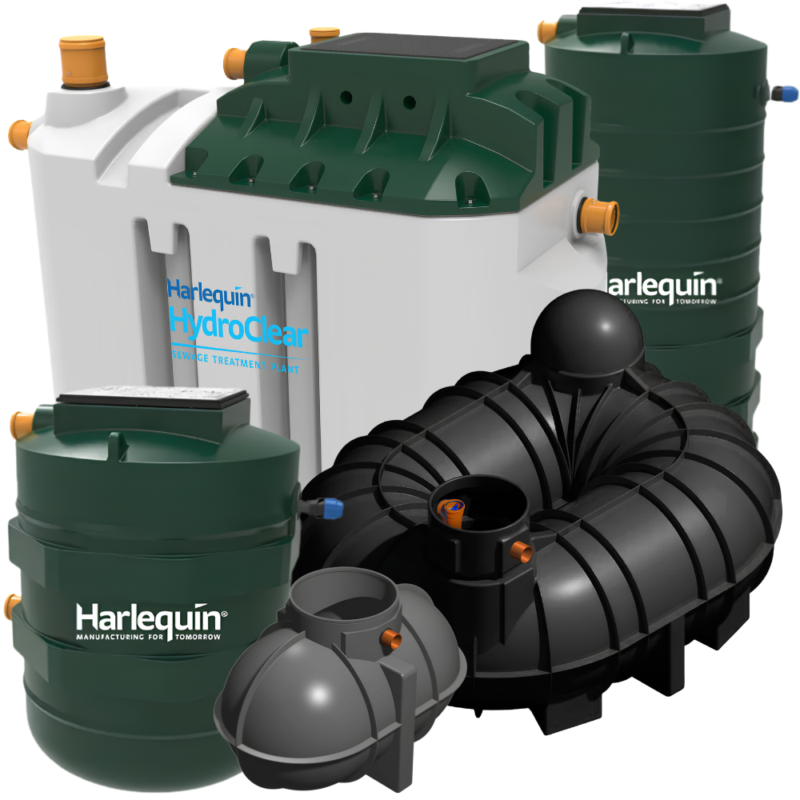
If your property uses a cesspool, septic tank, sewage treatment plant or pump station, what you put down the toilet, sink or drain can have a big impact on how well the system operates.

These systems are designed to deal with domestic wastewater, including wastewater from toilets, showers, baths, washing and normal household kitchen activities. They are not designed to act as a general waste disposal system.

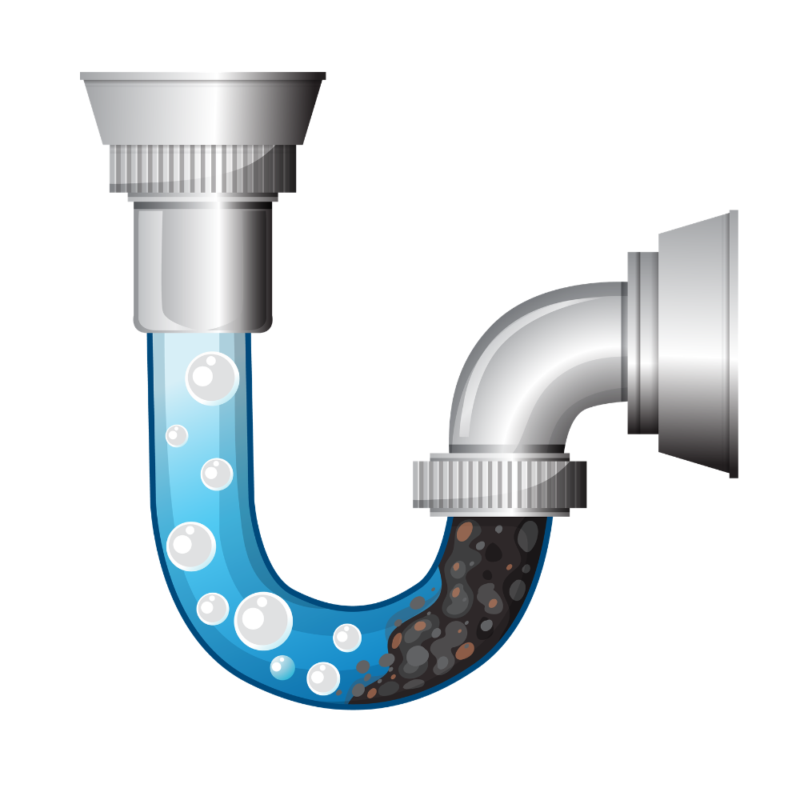
Putting unsuitable items or chemicals down the drain can cause blockages, pump failures, damage to equipment and disruption to the biological treatment process.
What can go down the drain?

As a general rule, wastewater systems should only receive normal domestic wastewater.

This includes:

  • Human waste 
  • Toilet paper
  • Water from showers and baths
  • Normal household washing water
  • Water from washing machines
  • Normal kitchen wastewater

What shouldn’t go down the drain?

Wet wipes and wipes

Do not flush wet wipes, even if they are labelled as flushable. They can cause blockages in pipes, pumps and treatment systems.

Sanitary products and nappies

Items such as:

  • Sanitary towels
  • Tampons
  • Nappies
  • Incontinence products
  • Cotton buds
  • Condoms

Fats, oils and grease

Avoid putting cooking oil, fats or grease down sinks. They can build up inside pipework and contribute to blockages.

Allow fats and grease to cool and dispose of them appropriately instead.

Food waste

Food scraps, coffee grounds and other solid food waste should not be put down the drain. Use the appropriate food waste or general waste disposal method instead.


Chemicals and hazardous substances

Do not pour products such as the following down the drain:

  • Paint and paint thinners
  • Solvents
  • Fuels and oils
  • Pesticides and weed killers
  • Antifreeze
  • Strong chemicals
  • Large quantities of bleach or disinfectant
  • Other hazardous substances

These substances can damage equipment and, in biological treatment systems, interfere with the bacteria responsible for treating the wastewater.

Medicines

Unused or unwanted medicines should not be disposed of down the toilet or sink. They should be returned to a pharmacy or disposed of through the appropriate local service.

Different systems, different considerations 

Cesspools

A cesspool stores wastewater rather than treating it, so anything put down the drain ultimately remains within the tank until it is emptied.

Cesspools must be emptied regularly by a registered waste carrier and must not be allowed to leak or overflow.

Pump Stations

Pump stations are particularly susceptible to blockages caused by wipes, sanitary products, nappies and other solid materials, which can become caught in the pump or pipework. However, our grinder pump option is more capable of handling solids and unsuitable materials. Even so, we recommend avoiding putting these items into the sewage system wherever possible

Septic Tanks

Septic tanks rely on natural biological processes to separate and treat wastewater. Excessive amounts of chemicals, oils and other unsuitable substances can interfere with the system and may contribute to problems further down the line.

Sewage Treatment Plants

Sewage treatment plants rely on biological treatment processes, so maintaining the right conditions for the treatment bacteria is important. Harsh chemicals and unsuitable waste can disrupt treatment and potentially affect the quality of the treated effluent.

💡 The simple rule – Whether you have a cesspool, septic tank, sewage treatment plant or pump station, only put appropriate domestic wastewater down the drain. Think before you flush or pour – keeping unsuitable items out of your wastewater system can help prevent blockages, reduce maintenance and keep your system operating effectively. Always follow the specific manufacturer’s guidance for your wastewater system, as requirements can vary between different products and applications.