



Sewage Treatment Plant Anatomy
Understand the key components, fittings and features of a Harlequin Sewage Treatment Plant.
Sewage treatment plants are made up of several chambers and components, each playing an important role in the treatment process. But what are the different parts, and what does each one do?
In this guide, we’ll explain the main components of a sewage treatment plant and how they work together.
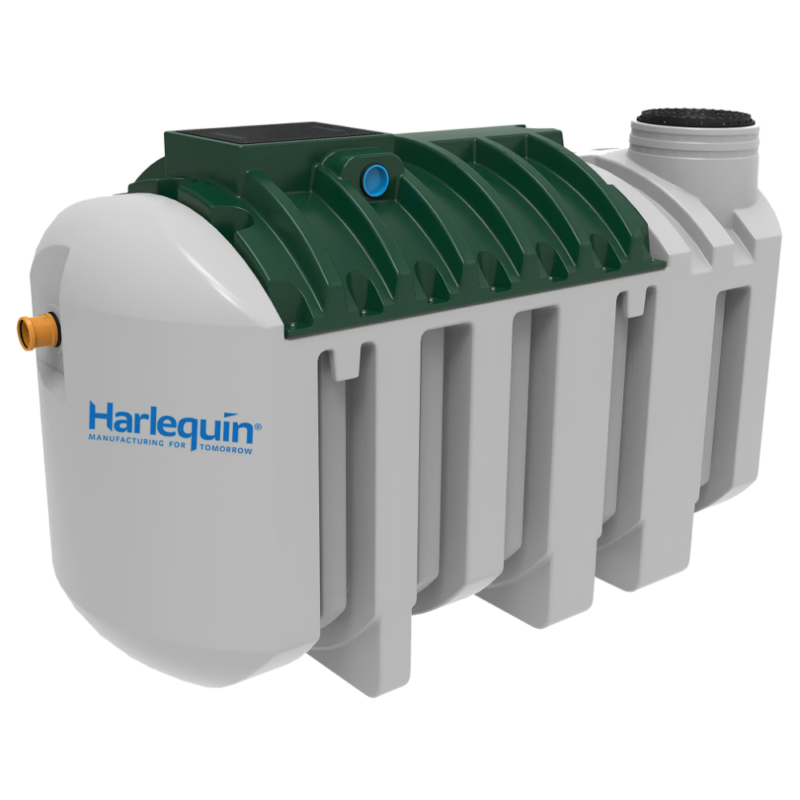
What is a Sewage Treatment Plant?
A sewage treatment plant is designed to treat domestic wastewater through a series of stages, using biological processes to break down pollutants before the treated effluent is discharged. Each chamber and component plays an important role in the treatment process, helping the system operate effectively and efficiently.
Sewage treatment plants are commonly used for properties that are not connected to mains drainage, including homes, businesses and other off-mains developments.
Our range of sewage treatment plants is available in a variety of capacities to suit different property sizes and requirements, with options available from smaller domestic systems through to larger-capacity plants.
On this page
How does a Sewage Treatment Plant work?
Sewage Treatment Plant components explained
Below you will find a useful infographic explaining the key parts of a Sewage treatment plant. The sewage treatment plants will vary based on the supplier and method of manufacturer but most will resemble the below in most parts.
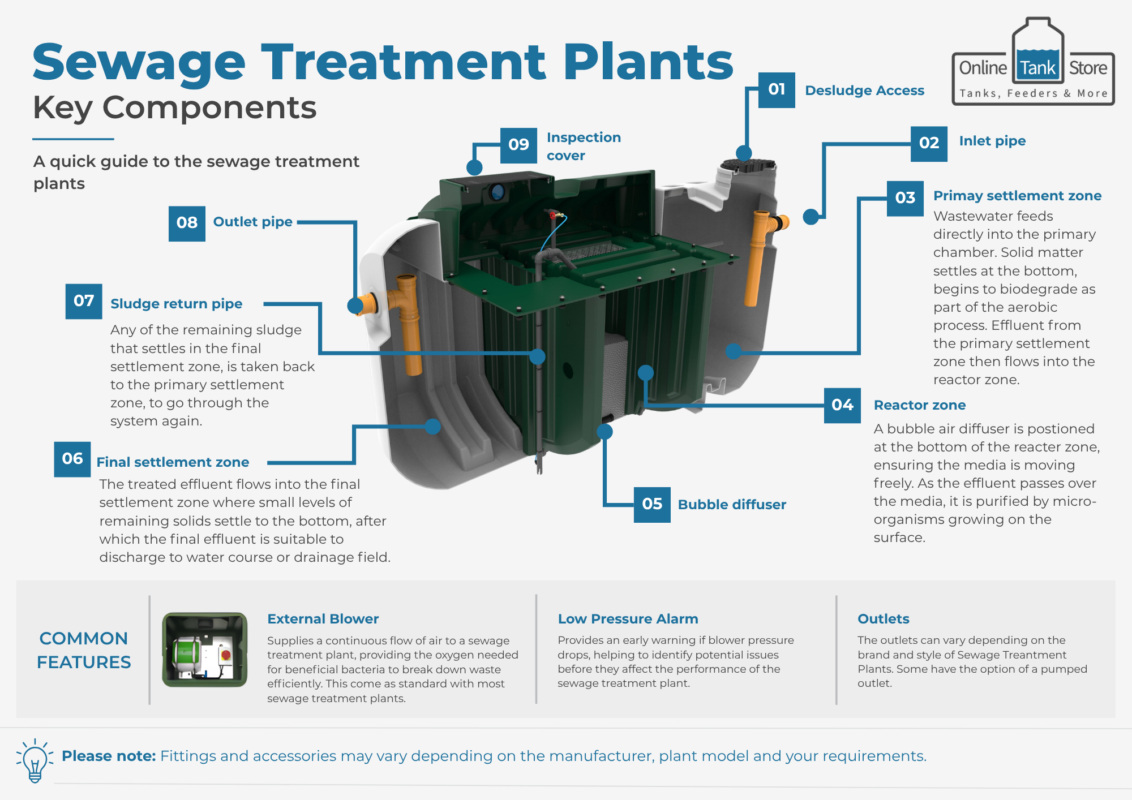
Hydroclear 6 Sewage treatment plant
Watch the video for a closer look at a sewage treatment plant, from the external components through to the internal treatment chambers.
Options for the Sewage Treatment systems
Most of the plants come with the option of having a standard or pumped outlet, and the choice of a low pressure alarm.
Low Pressure Alarms
Provides an early warning if blower pressure drops, helping to identify potential issues before they affect the performance of the sewage treatment plant.
Gravity outlet or Pumped outlet
Gravity outlet models allow treated effluent to flow away from the plant naturally, while pumped outlet options can be used where the discharge point is higher than the treatment plant or where gravity drainage is not possible
How often does a sewage treatment plant need servicing?
The servicing requirements for a sewage treatment plant can vary depending on the model, size, usage and manufacturer’s recommendations. Regular maintenance is important to keep the system operating effectively and help prevent problems.
As a general guide:
- Regular checks – Inspect the system periodically for any visible issues, unusual noises, odours or signs of damage.
- Routine maintenance – Check and maintain components such as blowers, pumps, filters and control equipment in accordance with the manufacturer’s instructions.
- Desludging – Sewage treatment plants need to be desludged when required. The frequency depends on the size of the plant, usage and the manufacturer’s recommendations.
- Annual servicing – Many treatment plants require regular professional servicing. Always follow the specific servicing schedule provided by the manufacturer.
- Repairs – Any faults or problems should be addressed promptly to help prevent damage to the system or inadequate treatment.
💡Always check the installation and maintenance instructions for your specific sewage treatment plant, as servicing and desludging requirements can vary between manufacturers and models. Regular maintenance also helps ensure the plant continues to operate effectively and meets the relevant discharge requirements.
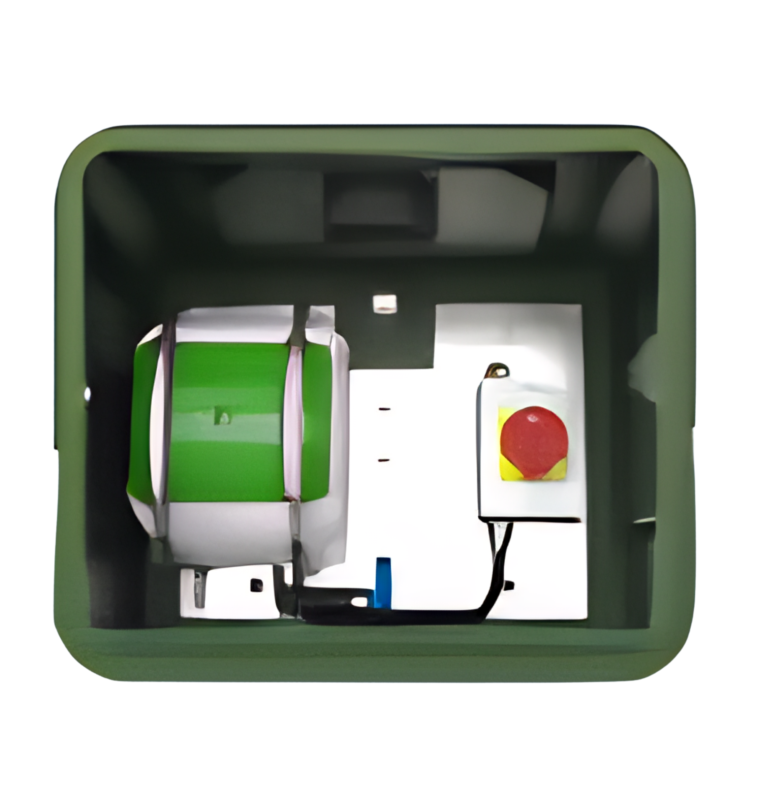
The Hydroclear Sewage treatment plants come with an external blower.
These are to ensure optimal performance. The blower is located in a weatherproof aboveground external housing.
The blower should be kept on at all times and if installed correctly, there should be minimal sound from these.
Choosing the right sewage treatment plant
Choosing the correct sewage treatment plant is important to ensure it is suitable for your property and provides effective wastewater treatment. There are several factors to consider:
- Capacity – how many people will the treatment plant need to serve?
- Application – is it for a domestic property, commercial premises or another application?
- Discharge method – where will the treated effluent be discharged?
- Site conditions – is there sufficient space and suitable ground conditions for installation?
- Inlet and outlet levels – will the site allow the plant to operate by gravity, or will a pumped outlet be required?
- Installation requirements – what access, excavation, base and pipework arrangements are required?
- Maintenance – consider servicing, desludging and ongoing operating requirements.
Not sure which sewage treatment plant you need?
Our team can help you identify a suitable system based on your occupancy, application, site conditions and discharge requirements.
Contact Us Browse Sewage Treatment PlantsWhy Choose A Sewage Treatment plant?
Key benefits include:
- Effective wastewater treatment
- Suitable for off-mains properties
- Environmentally responsible
- Continuous treatment
- Reduced reliance on emptying
- Range of sizes available
- Flexible discharge options
- Long-term solution
💡Important: The suitability of a sewage treatment plant depends on the property, site conditions and proposed discharge. Always check the applicable regulations and the manufacturer’s requirements before choosing and installing a system.
How to Size a Sewage Treatment Plant
Choosing the correct system size is essential to ensure it meets your property’s needs. Before installation or building work begins, you’ll need to assess the property’s occupancy and wastewater requirements. In this video, we explain how to calculate the appropriate sewage treatment plant size for your property.
How does a sewage treatment plant work?
Most domestic sewage treatment plants use naturally occurring bacteria to break down waste. Air is introduced into the treatment chamber to encourage the growth of beneficial bacteria, which remove pollutants before the treated water is discharged to a drainage field or watercourse, subject to local regulations.
What size sewage treatment plant do I need?
The correct size depends on the number of people using the property rather than the amount of wastewater produced. As a general guide, manufacturers recommend sizing the system based on the maximum occupancy or number of bedrooms. If you're unsure, our team can help you select the correct model.
What's the difference between a septic tank and a sewage treatment plant?
A septic tank stores wastewater and provides limited treatment before the liquid flows to a drainage field. A sewage treatment plant actively treats wastewater using biological processes, producing a much cleaner effluent that may be suitable for discharge to a watercourse, depending on your site and current regulations.
Do sewage treatment plants need electricity?
Yes. Most domestic sewage treatment plants require a continuous electrical supply to operate the air blower or compressor that supports the biological treatment process. They are designed to be energy efficient, with many systems costing only a few pounds per week to run.
How often does a sewage treatment plant need servicing?
Most manufacturers recommend an annual service to ensure the system continues to operate efficiently. Regular servicing helps identify wear, maintain treatment performance and can be a requirement to keep manufacturer warranties valid.
How often does a sewage treatment plant need emptying?
Most domestic systems require desludging approximately once every 12 months, although this depends on the size of the plant, occupancy and usage. Your service engineer can advise whether more or less frequent emptying is required.
Can a sewage treatment plant discharge into a ditch or stream?
In many cases, yes. A correctly installed and maintained sewage treatment plant that complies with current standards may discharge treated effluent to a watercourse, subject to the Environment Agency's General Binding Rules and any site-specific requirements. Always check that your installation meets the latest regulations.
Can I replace my septic tank with a sewage treatment plant?
Yes. Many homeowners choose to replace older septic tanks with sewage treatment plants to improve wastewater treatment and comply with current environmental requirements. In some cases, the existing excavation or pipework may be reusable, although every installation should be assessed individually.
How long does a sewage treatment plant last?
A quality sewage treatment plant manufactured from durable polyethylene and correctly maintained can provide many years of reliable service. Many modern systems have an expected design life of 20 years or more, with routine servicing helping to maximise their lifespan.
Do I need planning permission for a sewage treatment plant?
In many cases, planning permission is not required when replacing an existing system, but Building Regulations and the Environment Agency's General Binding Rules still apply. Requirements vary depending on your property and where the treated effluent is discharged, so it's always worth checking before installation.
Can I install a sewage treatment plant myself?
While some experienced groundworkers may install the tank itself, we strongly recommend using a qualified installer. Correct excavation, backfilling, pipe gradients, electrical connections and commissioning are all essential for reliable operation and to maintain the manufacturer's warranty.