

Guidance on how to empty your cesspool

A cesspool does not treat wastewater – it simply stores sewage until it is removed. This means it needs to be emptied regularly to prevent it from becoming full and overflowing.

The frequency of emptying will depend on the size of the cesspool, number of people using it and the volume of wastewater produced. GOV.UK advises that cesspools should be emptied regularly, for example once a month, although the actual frequency will vary depending on the circumstances.

Click here to view the full GOV guidelines
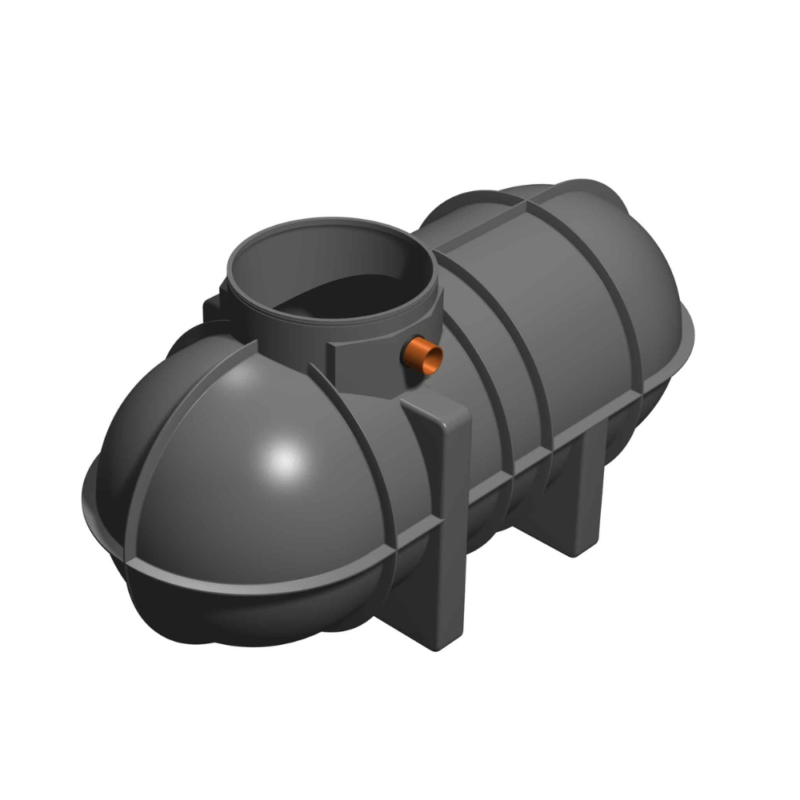
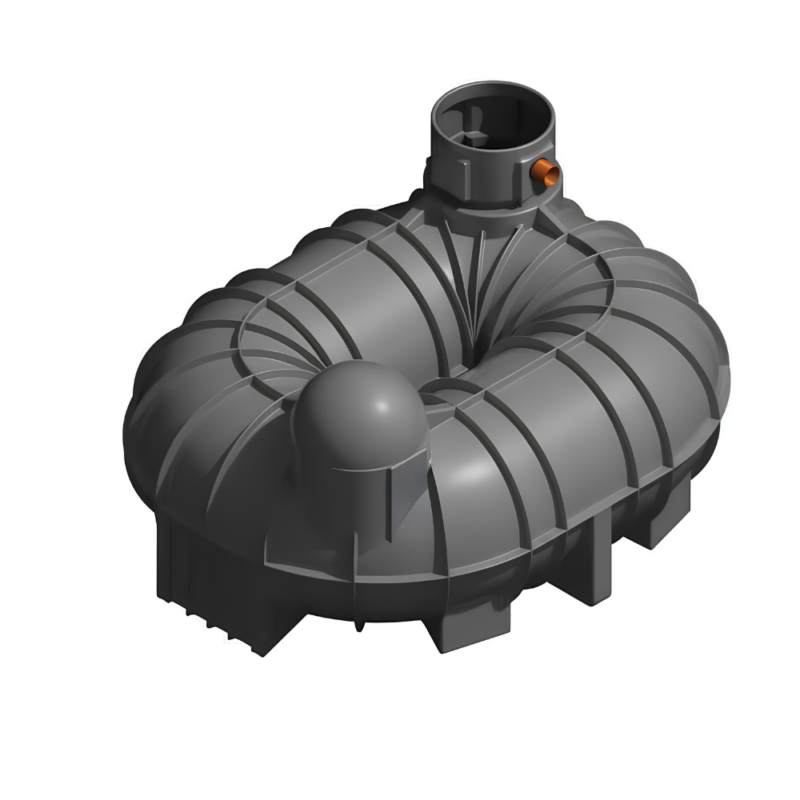
How is a Cesspool Emptied?

Cesspools should be emptied by a registered waste carrier using a suitable sewage tanker. The tanker removes the stored sewage from the cesspool and transports it to an appropriately regulated facility for treatment or disposal.

When arranging an emptying service:

  • Use a registered waste carrier to remove the sewage.
  • Arrange emptying before the cesspool reaches capacity.
  • Make sure the tanker has suitable access to the cesspool.
  • Keep the access cover and emptying point clear and accessible.
  • Check the cesspool regularly for leaks, damage or signs of overflowing.
  • Keep records of emptying and maintenance where appropriate.

💡A cesspool must not discharge sewage into the ground, a watercourse or any other part of the environment. If it leaks or overflows and causes pollution, you may be required to repair or replace it.

How to know your cesspool needs emptying?

Signs that a cesspool may need emptying include:

  • The tank is approaching its maximum capacity – regular level checks can help you arrange emptying before it becomes full.
  • A high-level alarm has activated – if fitted, this provides an early warning that the tank is nearing capacity.
  • Slow drainage or wastewater backing up – this can indicate that the tank is full or there is a blockage.
  • Unpleasant sewage smells around the tank or property.
  • Visible signs of overflowing – a cesspool should never be allowed to overflow, as this can cause pollution.

💡 Don’t wait until the cesspool is completely full before arranging an empty. Keeping a record of how quickly the tank fills will help you establish a suitable emptying schedule for your property.